


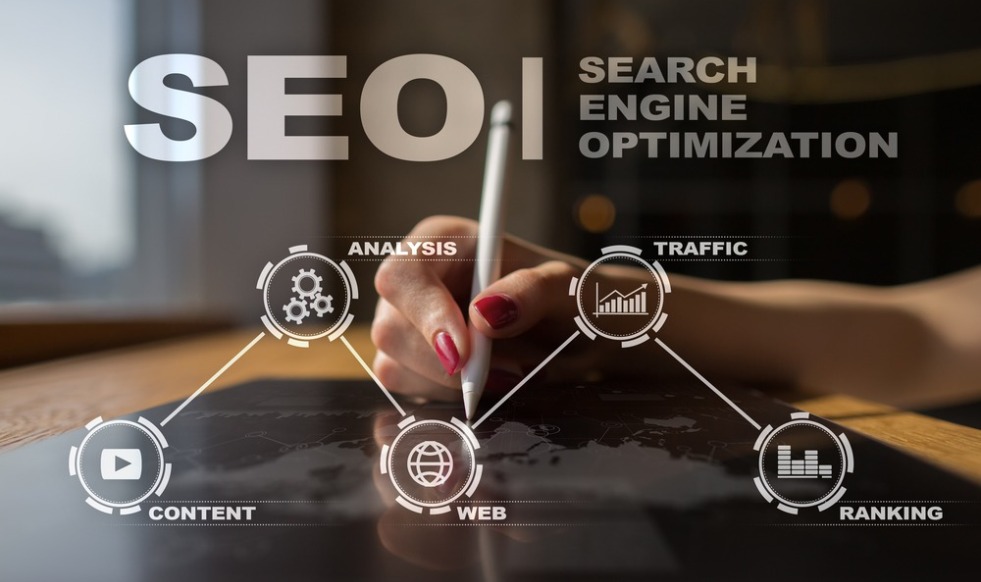
Launching a startup comes with many challenges, but with the right strategies, you can make sure your business stands out in the crowded digital marketplace. One of the most crucial elements of building a successful online presence is SEO for startups. An effective SEO strategy can help improve your search engine rankings, increase organic traffic, and enhance brand visibility—key factors for growth in the early stages of your business.
In this comprehensive guide, we will walk you through every step of startup SEO strategy, from the basics of keyword research to advanced techniques like link building and performance tracking. With the right approach, SEO will help you unlock the true potential of your startup.
1. Understanding SEO: The Backbone of Your Digital Presence
Why SEO is Crucial for Startups
For many startups, budget and resources are limited, making it difficult to invest in paid marketing strategies or extensive advertising campaigns. This is where SEO for startups comes into play. By focusing on SEO, you can drive organic traffic to your website, which is often more sustainable and cost-effective than other marketing methods.
SEO is the process of optimizing your website to make it more visible in search engine results, helping potential customers find your business online. Whether you are offering products, services, or information, a strong SEO foundation will set the stage for sustained growth and success.
What You Need for a Successful SEO Strategy
- Keyword Research: Identifying the right keywords to target.
- On-Page SEO: Optimizing your website’s content and structure.
- Link Building: Gaining high-quality backlinks from other sites.
- Analytics: Monitoring performance to refine and improve your strategy.
2. Keyword Research: Laying the Foundation of SEO
The Power of Keywords
Effective keyword research is the first step in your startup SEO strategy. Keywords are the words or phrases that potential customers use when searching for products, services, or information related to your business. By targeting the right keywords, you increase the likelihood that your website will appear in relevant search results.
How to Do Keyword Research
- Identify Core Topics: Start by brainstorming topics related to your business.
- Use Keyword Tools: Tools like Google Keyword Planner, SEMrush, and Ahrefs can help identify high-volume keywords that your target audience is searching for.
- Analyze Competitors: Look at what keywords competitors are targeting. This can give you insight into gaps in the market.
- Long-Tail Keywords: Targeting specific, less competitive long-tail keywords can help attract qualified leads.
Actionable Tip:
Focus on a mix of short-tail and long-tail keywords. While short-tail keywords have higher search volumes, long-tail keywords are less competitive and often convert better because they are more specific.
3. On-Page SEO: Optimizing Your Website for Search Engines
The Basics of On-Page SEO
Once you have a list of targeted keywords, the next step is on-page SEO. This involves optimizing each page on your website to improve its ranking in search engine results. Key on-page factors include.
Title Tags: Include your primary keyword in the title tag, and make it compelling.
- Meta Descriptions: A concise description of the page content that includes relevant keywords.
- Header Tags (H1, H2, H3): Use header tags to structure your content and make it more readable for both users and search engines.
- Content Optimization: Include keywords naturally within your content, but avoid keyword stuffing.
- Internal Linking: Connecting relevant pages within your site enhances navigation and boosts SEO.
Actionable Tip:
Ensure that your website is mobile-friendly. Google prioritizes mobile-first indexing, so an optimized mobile experience is essential for higher rankings.
4. Technical SEO: Building a Solid Website Foundation
The Role of Technical SEO
For a startup, having a user-friendly website is essential, but technical SEO ensures that search engines can easily crawl and index your pages. Key technical SEO elements include:
- Site Speed: Quick loading times are essential for both user experience and SEO performance.
- Mobile Optimization: A mobile-optimized site ensures your content is easily accessible on all devices.
- XML Sitemap: Submitting an XML sitemap helps search engines find and index your pages.
- Robots.txt File: Ensures that search engines know which pages to crawl and which to avoid.
- SSL Certificate: Having HTTPS ensures your site is secure, which Google uses as a ranking factor.
Actionable Tip:
Use tools like Google Search Console and PageSpeed Insights to monitor and improve the technical aspects of your site.
5. Link Building: Boosting Authority and Credibility
The Importance of Backlinks
Building high-quality backlinks is one of the most important aspects of any startup SEO strategy. Backlinks are links from external websites to your site, serving as endorsements that boost the credibility of your content. The more authoritative the websites linking to you, the higher your site’s credibility in the eyes of search engines.
Effective Link Building Tactics
- Guest Blogging: Write guest posts for authoritative blogs in your industry, and include a link back to your website.
- Content Marketing: Create high-quality, shareable content like infographics, blog posts, and videos to naturally attract backlinks.
- Influencer Outreach: Connect with influencers in your industry who can mention or link to your site.
- Local Listings: Get your startup listed in local business directories and niche-specific listings.
Actionable Tip:
Focus on earning quality backlinks from relevant, high-authority websites rather than focusing on quantity. A few strong backlinks are more valuable than dozens of low-quality ones.
6. SEO Analytics: Measure, Analyze, and Improve
The Importance of Analytics
To ensure your SEO for startups strategy is working, you need to track and analyze your website’s performance. This helps you understand what’s working, what’s not, and where to focus your efforts moving forward.
Key Metrics to Track
- Organic Traffic: The number of visitors coming to your site from search engines.
- Organic Traffic refers to the visitors who come to your website through search engine results, without any paid advertising.
- Bounce Rate: High bounce rates may indicate that your content isn’t resonating with visitors.
- Conversion Rates: Track how well your website turns visitors into leads or customers.
Actionable Tip:
Use tools like Google Analytics and SEMrush to monitor your performance regularly. Set up monthly reviews to adjust your strategy as needed.
Conclusion: SEO as the Lifeblood of Your Startup’s Growth
Implementing a successful SEO roadmap can be a game-changer for your startup. From improving your site’s visibility and driving organic traffic to establishing long-term credibility, SEO is one of the most cost-effective and sustainable ways to grow your business. By focusing on keyword research, on-page optimization, technical SEO, and link building, you’ll lay the foundation for a strong online presence that drives business growth.
Call to Action
Build the Right Website with Experts You Can Trust.
Whether you’re a startup, SME, or large enterprise, we help you design a high-performing, scalable, and SEO-friendly website that fits your business vision — static or dynamic.
📍 Address:
Visit us at Office No 301, Third Floor, Ganga Collidium Phase 1, Gangadham Chowk, Market Yard, Pune – 411037
📞 Phone:
+91 9850944480 | +91 9922442272
📧 Email:
connect@websofttechno.com | wsofttechno@gmail.com