


Introduction
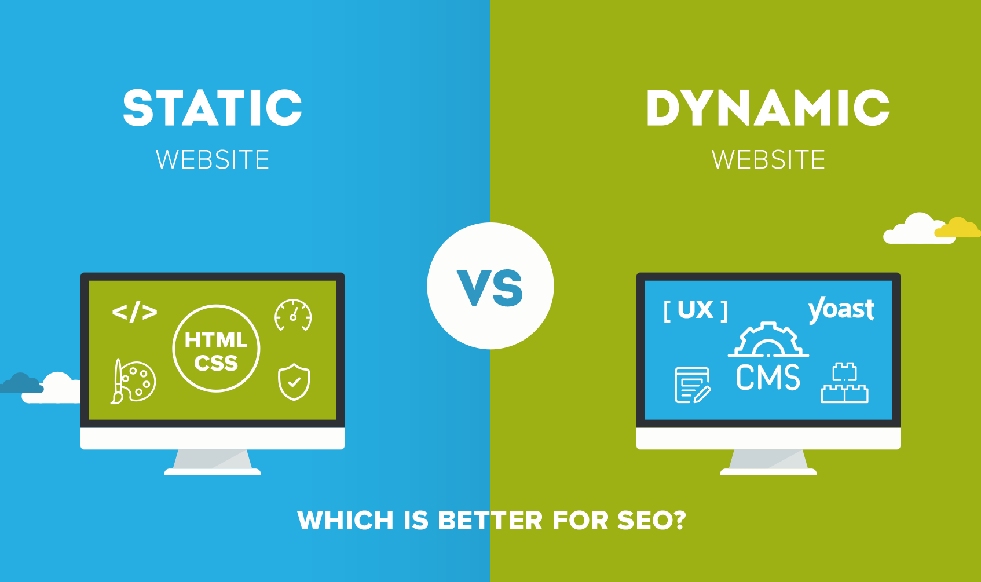
In the digital-first world of 2025, building a website is often the first big step for any business — but should your website be static or dynamic? The decision might seem technical, but it actually has a major impact on your site’s performance, cost, maintenance effort, and how you engage with customers. In this blog post, we’ll break down static website vs dynamic website — what each means, their pros and cons, and how to choose the best for your business needs.
What Are Static and Dynamic Websites?
Static Website: Simple, Fixed, Fast
- A static website is made up of individual web pages coded in HTML, CSS (and maybe basic JavaScript), where each page is a pre-generated file.
- Once deployed, the content remains as-is until someone manually updates the HTML files.
- Static sites don’t rely on server-side scripting or databases; they serve the same files to every visitor, which makes them simple in structure.
Dynamic Website: Interactive, Flexible, Feature-Rich
- A dynamic website builds pages on the fly, using server-side code and databases to generate content depending on various factors like user action, time, or data stored.
- Content such as blog posts, product listings, user accounts, comments, forms — all these are easier to manage and update since pages are generated dynamically.
- Dynamic sites are the backbone of content management systems (CMS), e-commerce stores, portals, social platforms or any website requiring frequent updates.
Comparing Static vs Dynamic — Pros & Cons
When Static Websites Shine
- Speed & Performance: Static websites serve pre-built files, so page load times are extremely fast — improving both user experience and SEO.
- Low Cost to Build & Host: Static sites don’t need complex backend infrastructure, so both development and hosting costs are lower.
- Security & Stability: Fewer moving parts (no database or server-side code) mean fewer vulnerabilities and better security.
- Ideal for Simple, Informational Sites: Best for small businesses, portfolios, and sites with content that doesn’t change often.
Limitations:
- Content updates require HTML knowledge — not ideal for businesses needing regular updates.
- Limited interactivity — no real-time updates, dynamic content, or complex forms without external tools.
When Dynamic Websites Are the Better Choice
- Ease of Content Management: Dynamic sites allow non-tech users to edit content easily via a CMS.
- Rich Features & User Interaction: From contact forms and logins to real-time data and personalization — dynamic sites handle it all.
- Scalability: As your business grows, dynamic websites support content expansion, new features, and more complex workflows.
Limitations:
- Higher development and maintenance costs due to databases, scripting, and CMS integration.
- Requires stronger hosting, regular updates, and may be prone to more security threats if not managed properly.
How to Pick: Which Is Right for Your Business?
| Business Need | Best Choice |
| You want a fast, secure, low-cost site for basic information | Static Website |
| You plan frequent content updates or blogs | Dynamic Website |
| You need user logins, product listings, or data processing | Dynamic Website |
| You lack a tech team and want a CMS to update your content | Dynamic Website |
| You’re building a one-page website or a marketing landing page | Static Website |
What Kind of Content Do You Plan to Publish?
Your content strategy plays a critical role in deciding between static and dynamic websites:
- Static websites are ideal when your content doesn’t change often. This includes portfolios, resumes, digital brochures, or company information pages.
- Dynamic websites are perfect when your content is regularly updated, such as news, blogs, product listings, client dashboards, user-generated content, or interactive features.
If your website content needs frequent changes by non-tech users, go dynamic. If it’s set-it-and-forget-it with minor changes annually, a static approach saves time and cost.
Who Will Manage Your Website?
Another key factor is your team’s technical expertise. If your staff isn’t trained in coding and you don’t plan to hire a developer every time you need to update the “About Us” page, a CMS-powered dynamic site is the better option.
On the other hand, if you’re a developer or have access to one, managing a static website can be incredibly efficient and cost-effective.
Checklist Before You Decide
- How often will your website content change?
- Will customers interact with your website (e.g., forms, login, shopping)?
- Who will update the site — a developer or your team?
- Do you plan to scale your website’s functionality in the future?
- What is your budget for development and maintenance?
Answering these questions will help you decide whether static or dynamic fits your current and future needs.
Conclusion — Match Your Website to Your Business Goals
Choosing between a static and dynamic website is about understanding your business model, your customer needs, and how you want to grow online. There is no one-size-fits-all answer — but with the right decision, your website becomes a strategic business asset.
If you want a simple, cost-effective website that loads quickly — go static.
If your business needs regular updates, interactive content, or future scalability — go dynamic.
You can also opt for a hybrid setup where some parts are static and others are dynamic.
Build the Right Website with Experts You Can Trust.
Whether you’re a startup, SME, or large enterprise, we help you design a high-performing, scalable, and SEO-friendly website that fits your business vision — static or dynamic.
📍 Address:
Visit us at Office No 301, Third Floor, Ganga Collidium Phase 1, Gangadham Chowk, Market Yard, Pune – 411037
📞 Phone:
+91 9850944480 | +91 9922442272