


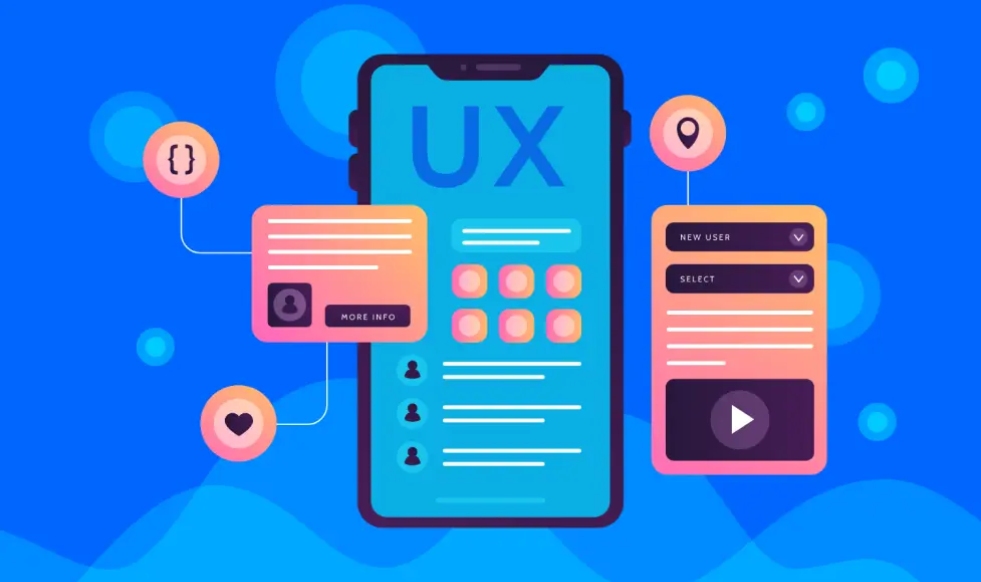
The digital world is constantly evolving, and as we step into 2026, the significance of UI/UX for ecommerce businesses has never been more pronounced. In a highly competitive online marketplace, providing a seamless and enjoyable experience for customers is crucial to retaining them and driving sales. User experience (UX) and user interface (UI) design are the backbone of any ecommerce platform. With the right design, you can transform your website from a basic storefront into an engaging and interactive space that attracts customers and keeps them coming back.
In this article, we’ll dive into why UI/UX is more important than ever for ecommerce growth, and how it directly impacts sales, retention, and customer satisfaction. By understanding the role of design, you can optimize your ecommerce platform to meet the needs of today’s consumers and stay ahead of the competition.
1. First Impressions Matter: How UI/UX Influences User Perception
Why Your Website’s First Impression is Crucial
When it comes to ecommerce, your website’s UI design is the first thing customers interact with. If your website is cluttered, difficult to navigate, or slow to load, potential customers will quickly abandon it in favor of a competitor’s site. This is why a well-designed UI is essential for making a great first impression.
Your website’s design needs to communicate your brand values, create a pleasant shopping environment, and offer easy access to your products. A visually appealing and intuitive layout increases the chances that visitors will stay longer, explore more, and eventually make a purchase.
How UX Impacts User Perception
While UI refers to the visual and functional design elements of your website, UX (user experience) focuses on how easy and enjoyable the site is to use. A seamless UX involves smooth navigation, quick load times, and simplified checkout processes. These elements contribute to positive customer perceptions and build trust in your brand.
2. Improved Retention Through Enhanced User Experience
The Role of UX in Customer Retention
In the world of ecommerce, attracting new customers is only half the battle. Retaining them is where UX design truly shines. A positive user experience encourages repeat visits and builds brand loyalty. When customers find your website easy to navigate, enjoy browsing your products, and have a smooth checkout experience, they’re more likely to return.
Ecommerce UX tips such as providing personalized recommendations, creating easy-to-navigate product categories, and offering streamlined payment options can go a long way in enhancing user satisfaction.
Benefits of UX for Ecommerce Businesses
- Better Customer Satisfaction: The easier and more enjoyable it is to shop on your website, the happier customers will be.
- Higher Retention Rates: Happy customers are more likely to return and make repeat purchases, which helps drive long-term sales.
- Increased Referrals: Satisfied customers are more likely to recommend your ecommerce store to others, driving new traffic and potential sales.
3. UI/UX Design Drives Sales and Conversion Rates
Why Good UI/UX Directly Impacts Sales
The connection between UI/UX design and ecommerce sales is undeniable. A smooth, intuitive experience can significantly increase your conversion rates — the percentage of visitors who make a purchase. A poorly designed website, on the other hand, can discourage users from completing a transaction.
Key Elements of UI/UX That Influence Sales
- Responsive Design: As more people shop on mobile devices, having a mobile-friendly website is crucial. A responsive design ensures that your site looks and works well on any device, leading to higher conversions.
- Clear Calls-to-Action (CTAs): Buttons like “Add to Cart,” “Buy Now,” or “Check Out” need to be visible and accessible throughout the user’s journey.
- Fast Load Times: Slow loading times lead to higher bounce rates. Customers expect pages to load within seconds, or they will abandon the site altogether.
The Psychology Behind Effective UI/UX
A well-designed UI can influence user behavior by guiding them toward actions that result in sales. For example, attractive product images, compelling descriptions, and trust signals like customer reviews or security badges can lead to higher engagement and increased conversion rates.
4. Building Trust and Credibility Through Design
The Trust Factor in Ecommerce
When shopping online, customers can’t physically touch or feel the products they’re considering purchasing. Therefore, trust is crucial. Good UI/UX design helps build this trust by ensuring that your website is easy to navigate, visually appealing, and free of errors.
Elements like professional branding, customer testimonials, and clear, accessible contact information can improve trustworthiness. Simple and clean design is also a sign of professionalism and reliability, which can reassure customers and encourage them to complete their purchases.
How UX Design Contributes to Trust
- Secure Payment Options: Clear visibility of secure payment methods reassures customers that their financial information is safe.
- Easy Returns and Refund Policies: A user-friendly UX makes it easier for customers to access return and refund information, increasing confidence in making a purchase.
5. The Mobile Experience: A Crucial Component of Ecommerce UX
Mobile-First Design: Why It’s Critical for Ecommerce Success
In 2026, mobile ecommerce continues to rise, with a growing number of customers making purchases directly from their smartphones. For ecommerce businesses, this means that mobile-first UI/UX design is no longer optional — it’s a must.
A mobile-optimized website ensures that customers can browse and purchase from your ecommerce store wherever they are. From loading speeds to navigation and checkout, every aspect of the user experience needs to be optimized for mobile devices.
Key Mobile UX Design Essentials
- Simplified Navigation: Keep the menu simple and easy to access on mobile devices.
- Responsive Product Images: Ensure images scale correctly on different screen sizes without losing quality.
- Easy Mobile Checkout: Mobile users expect a seamless checkout experience. Simplify forms, offer autofill options, and enable mobile payment methods like Google Pay and Apple Pay.
6. Staying Ahead of the Competition with Continuous UI/UX Improvement
Why Ongoing Design Optimization is Key
The importance of UI/UX in ecommerce isn’t limited to the launch phase. Ongoing optimization is essential to keep up with evolving customer expectations and emerging design trends. Regularly updating your site to reflect new design standards and improving its functionality will help maintain customer interest and competitive advantage.
How to Continuously Improve Your UI/UX
- A/B Testing: Regularly test different design elements like CTAs, color schemes, and product page layouts to see which versions perform best.
- Customer Feedback: Actively seek feedback from customers about their experience and make necessary adjustments.
- Analytics Tracking: Use tools like Google Analytics to monitor user behavior and identify areas for improvement.
Conclusion: UI/UX is the Future of Ecommerce Growth
As ecommerce continues to grow, the importance of UI/UX design for your business cannot be overstated. From improving retention and driving sales to building trust and ensuring mobile optimization, a well-executed UI/UX strategy will be one of the most important factors in determining your ecommerce store’s success in 2026 and beyond.
Build the Right Website with Experts You Can Trust.
Whether you’re a startup, SME, or large enterprise, we help you design a high-performing, scalable, and SEO-friendly website that fits your business vision — static or dynamic.
📍 Address:
Visit us at Office No 301, Third Floor, Ganga Collidium Phase 1, Gangadham Chowk, Market Yard, Pune – 411037
📞 Phone:
+91 9850944480 | +91 9922442272