


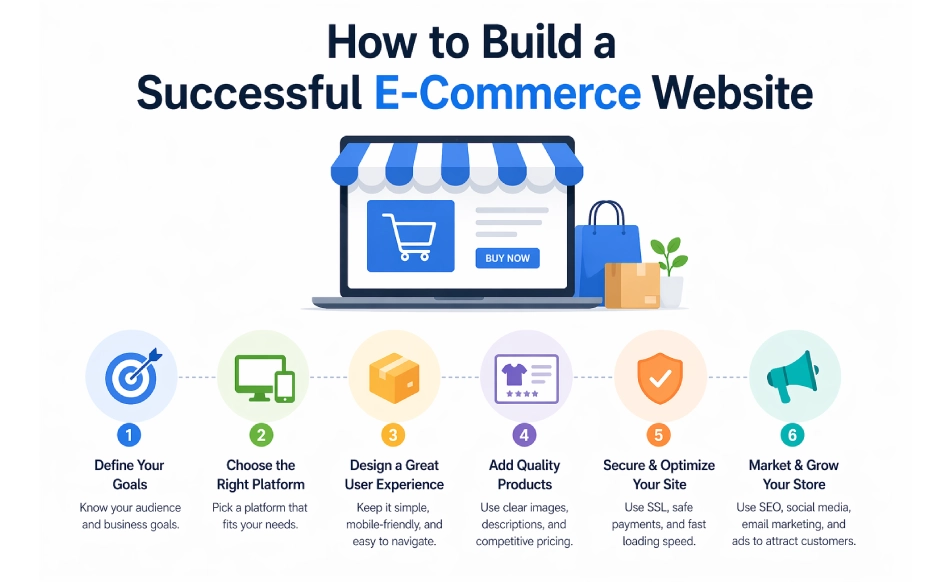
In the world of online business, having a robust and user-friendly e-commerce website is crucial to your success. With online shopping becoming an integral part of the modern economy, entrepreneurs and businesses need a solid e-commerce platform to reach customers and drive sales. But how do you build an e-commerce website that not only attracts visitors but also converts them into paying customers?
In this blog post, we’ll take you through the essential steps of e-commerce website development and offer valuable tips to ensure that your online store is not only functional but also optimized for success.
Why You Need a Professional E-Commerce Website
Building an e-commerce website is not just about listing products online. It’s about creating an experience that’s smooth, engaging, and efficient for your customers. A well-designed website can help build trust, encourage repeat purchases, and maximize conversions. Without the right elements in place, potential customers may leave before completing a transaction.
Let’s dive into the essential steps and best practices for creating a successful e-commerce website.
Key Steps in E-Commerce Website Development
1. Choose the Right Platform for E-Commerce Website Design
The first step in building an e-commerce website is selecting the right platform for your online store. Your platform should support scalability, customization, and integration with payment gateways, shipping carriers, and marketing tools.
Some popular platforms for online store development include:
- Shopify: Easy-to-use and scalable, ideal for businesses of all sizes.
- WooCommerce: A plugin for WordPress that offers flexibility and customization.
- Magento: A robust solution for larger businesses with complex needs.
- BigCommerce: Known for its built-in features that support growth.
Choose a platform that fits your business model, product range, and technical expertise.
2. Design an Intuitive User Interface (UI)
The design of your e-commerce website plays a crucial role in user experience. An attractive and intuitive e-commerce website design will encourage visitors to explore more, while a poorly designed site may drive them away. Focus on the following design aspects:
- Clean, simple navigation: Make it easy for users to find products. Use categories, filters, and search bars to guide visitors.
- Responsive design: Ensure your website works seamlessly across all devices, from desktops to mobile phones.
- High-quality images: Use clear, professional photos of your products to give customers the best view.
- Fast loading times: A slow website can frustrate users and hurt SEO rankings.
A positive user interface can enhance your brand image, improve customer retention, and increase sales.
3. Optimize for Search Engines (SEO)
For your online store to be successful, it needs to be visible on search engines like Google. E-commerce SEO is critical for driving organic traffic to your website. Here are some SEO best practices for your e-commerce website:
- Keyword research: Use tools like Google Keyword Planner or SEMrush to find keywords relevant to your products and industry. Incorporate these into your product descriptions, category pages, and blog posts.
- On-page SEO: Ensure that every page is optimized with clear meta titles, descriptions, and header tags. Don’t forget to include alt text for images and optimize URLs for clarity.
- Content marketing: Start a blog to share valuable information related to your niche. This can help attract traffic and build authority in your field.
- Mobile optimization: More consumers are shopping on mobile devices, so ensure your site is mobile-friendly.
With effective SEO optimization, your e-commerce site will rank higher in search results, making it easier for potential customers to find your products.
4. Set Up Secure Payment Gateways
Trust is essential in online shopping. Customers need to feel secure when entering their payment information. Integrate reliable and secure payment gateways into your e-commerce website. Some common options include:
- PayPal: One of the most trusted online payment processors.
- Stripe: Popular for businesses of all sizes, providing easy integration with most e-commerce platforms.
- Apple Pay: A fast and secure payment method for Apple users.
- Credit card processing: Integrate a secure, reliable system for credit and debit card payments.
Make sure to use SSL encryption to keep customers’ payment details safe. Display trust signals, such as security badges, to further reassure shoppers.
5. Optimize the Checkout Process
A complicated or lengthy checkout process is one of the main reasons for abandoned carts. Simplifying the checkout process can significantly improve conversion rates. Here are a few tips:
- Allow guest checkout: Not everyone wants to create an account before making a purchase.
- Auto-fill forms: Simplify the input process by using address auto-fill and other tools.
- Multiple payment options: Offer different payment methods to accommodate various customer preferences.
- Clear progress indicators: Show users how far along they are in the checkout process.
An efficient, streamlined checkout experience will help increase the likelihood that customers will complete their purchases.
6. Focus on Product Pages
Your product pages are where the real impact is made. They need to be informative, compelling, and easy to navigate. Key elements to include:
- Detailed product descriptions: Describe the benefits, features, and specifications of each product.
- High-quality images: Use zoom features and multiple angles to give customers a better view of your products.
- Customer reviews: Show customer feedback and ratings to build trust.
- Clear pricing and shipping info: Be transparent about pricing, discounts, and shipping options to avoid confusion.
Optimizing your product pages ensures that customers have all the information they need to make an informed purchase.
7. Incorporate Analytics and Tracking Tools
To improve your e-commerce website over time, you need to understand how visitors interact with it. Use tools like Google Analytics, Hotjar, or Crazy Egg to track user behavior. By analyzing data such as bounce rates, cart abandonment rates, and conversion rates, you can identify areas for improvement and make data-driven decisions to optimize your website.
Tips for Ongoing E-Commerce Success
Building a successful e-commerce website is just the beginning. Here are some additional tips to keep your online store growing:
- Regularly update your site: Keep your content fresh with new products, promotions, and blog posts.
- Improve customer service: Offer multiple support channels like live chat, email, and phone support.
- Run marketing campaigns: Use social media, email marketing, and paid ads to drive traffic to your site.
- Monitor competitors: Keep an eye on what your competitors are doing and adjust your strategy accordingly.
By continuously improving your site and staying ahead of the competition, you’ll ensure long-term success.
Conclusion
Building a successful e-commerce website requires careful planning, attention to detail, and ongoing optimization. By following the right e-commerce website development strategies, you can create an online store that not only attracts visitors but also converts them into loyal customers.
From choosing the right platform and designing an intuitive interface to optimizing for SEO and setting up secure payment gateways, every step plays a crucial role in your online store’s success.
Build the Right Website with Experts You Can Trust
Whether you’re a startup, SME, or large enterprise, we help you design a high-performing, scalable, and SEO-friendly website that fits your business vision—static or dynamic.
📍 Address:
Visit us at Office No 301, Third Floor, Ganga Collidium Phase 1, Gangadham Chowk, Market Yard, Pune – 411037
📞 Phone:
+91 9850944480 | +91 9922442272
📧 Email:
connect@websofttechno.com | wsofttechno@gmail.com
👉 Let’s design the future of your website—today
The promo codes here actually deliver real value without any hidden tricks. I redeemed my welcome bonus and watched it multiply during my first session. Everything feels transparent and the wagering requirements are super fair for newcomers. Head over to codigopromocionalinkabet to grab your own starter deal today